På vägen från thailändska paviljongen och tillbaka i Sollefteå kommun, passade vi på att göra ett besök på Graninge bruk, grundat av guvernören Carl Larsson Sparre på 1670-talet. Nu gick det inte så bra men bruket är ändå ett riksintresse enligt Länsstyrelsen så vi blev både förvånade och besvikna över hur nergånget det var. I stället för att underhålla och bevara de historiskt intressanta delarna på bruket ligger allt fokus på loppmarknader. Den gamla stångjärnshammaren finns i en fallfärdig byggnad omgiven med skräp, vattenhjulen och trärännan är i det närmaste förstörda. En riktigt sorglig anblick alltihop. Vissa byggnader har ändå bevarats rätt bra, men det verkar inte vara på grund av ett historiskt intresse. Läs mer om Graninge bruk här – eller här.
On the way from the Thai pavilion and back in Sollefteå municipality, we took the opportunity to visit Graninge mill, founded by the governor Carl Larsson Sparre in the 1670s. Now it didn’t go so well, but the mill is still a national interest according to the County Administrative Board, so we were both surprised and disappointed by the decline. Instead of maintaining and preserving the historically interesting parts of the works, all the focus is on flea markets. The old bar iron hammer is in a dilapidated building surrounded by rubbish, the water wheels and the wooden chute are almost destroyed. A really sad sight all in all. Some buildings have nevertheless been preserved quite well, but it does not seem to be due to historical interest.
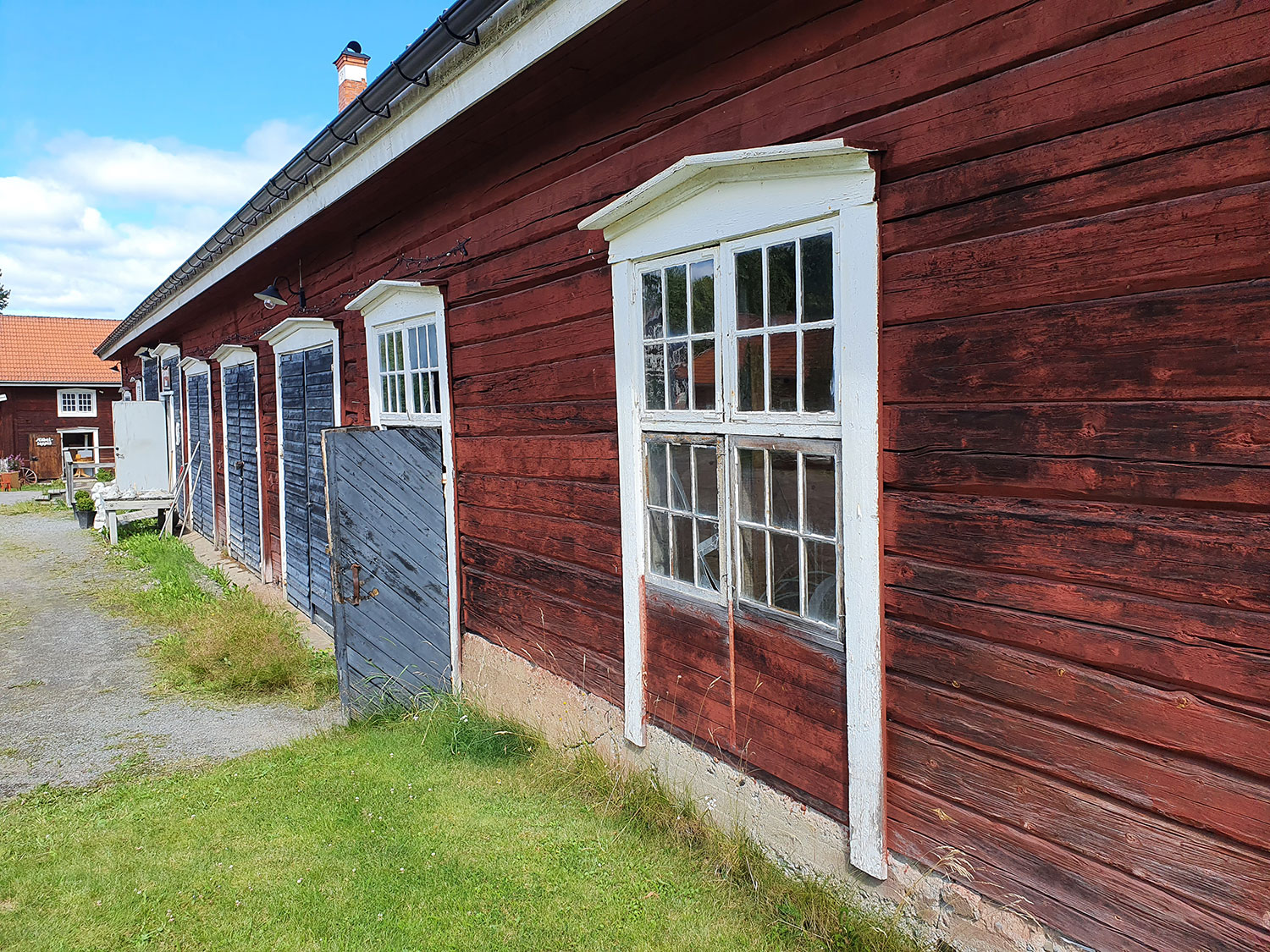
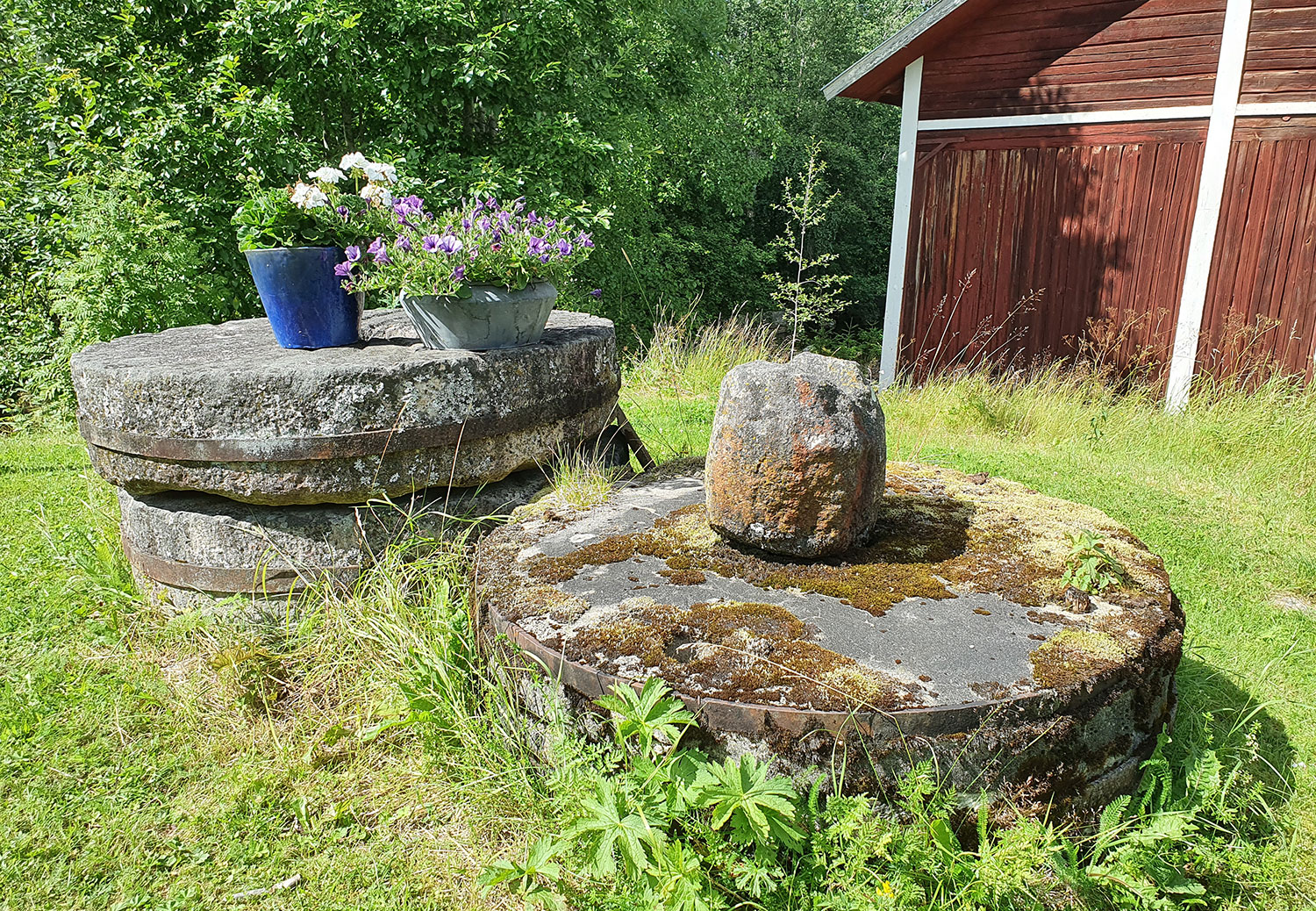
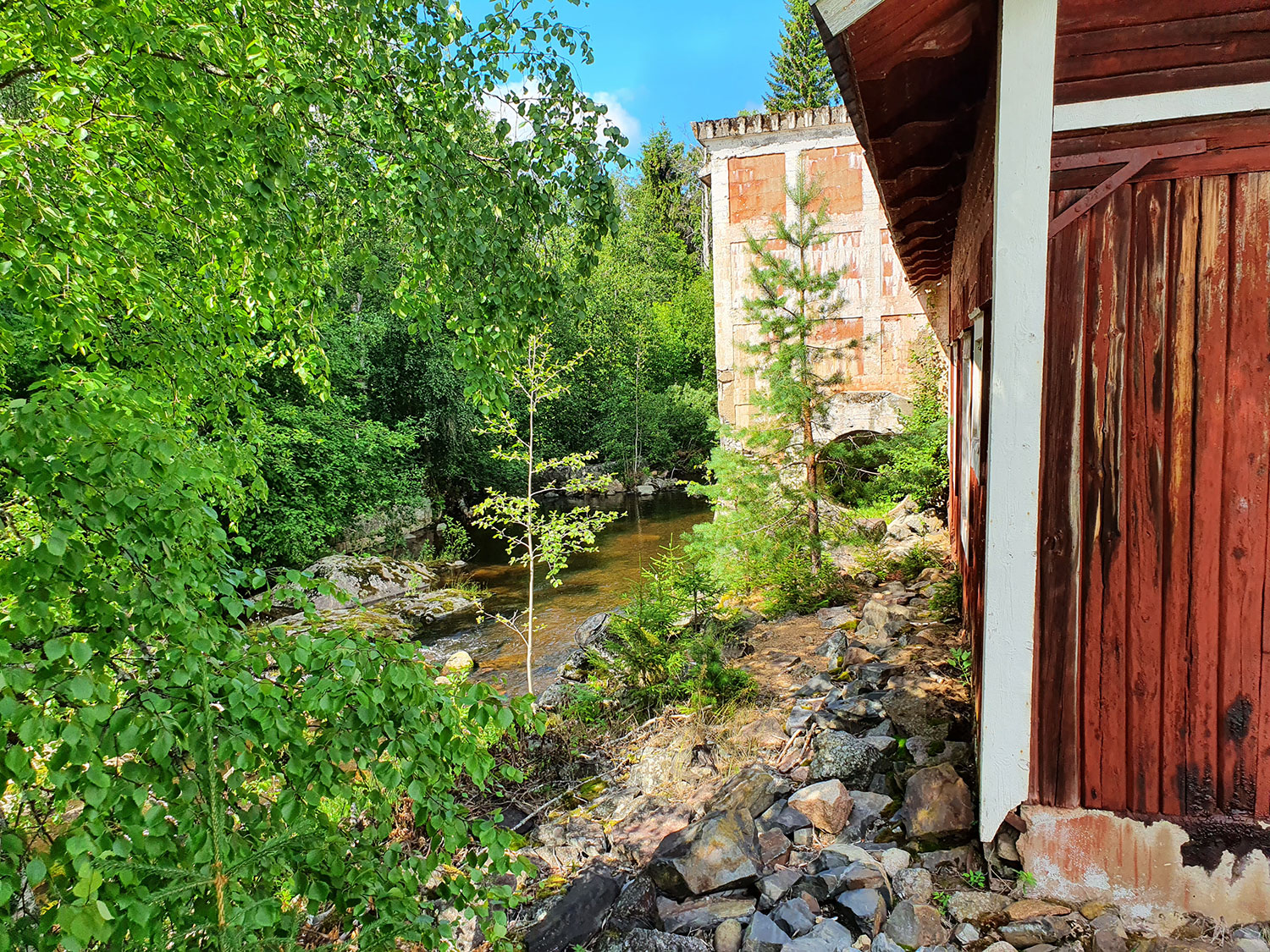
En av byggnaderna, naturligtvis finns det ”antikhandel” och försäljning bakom dörrarna. One of the buildings, of course there are ”antique shops” and sales behind the doors.Kvarnstenar, om de har använts till att mala sjömalm eller mjöl vet vi inte. Millstones, whether they have been used to grind ore from the lake or flour we don’t know.Stångjärnshammare i bedrövlig omgivning. Bar iron hammer in miserable surroundings.Vattenhjul. Hur tråkigt är det inte att se det så här? Waterwheel. How sad is it to see it like this?Vattenhjul och träränna från sjön. Water wheel and wooden chute from the lake.De gamla fasaderna skulle behöva lite omtanke. The old facades could use some care.En av de bättre bevarade byggnaderna, detta är baksidan på ”antikhandeln”. One of the better preserved buildings, this is the back of the ”antique shop”.De gamla arbetarbarackerna är välhållna, men det beror nog mest på att det faktiskt bor människor i dem. The old workers’ barracks are well maintained, but that is probably mostly due to the fact that people actually live in them.Det här är symptomatiskt för platsen. Loppisen fylls på, men man vill inte se plastblommor i den här typen av fönster. This is symptomatic of the location. The flea market is being replenished, but you don’t want to see plastic flowers in this type of windows.
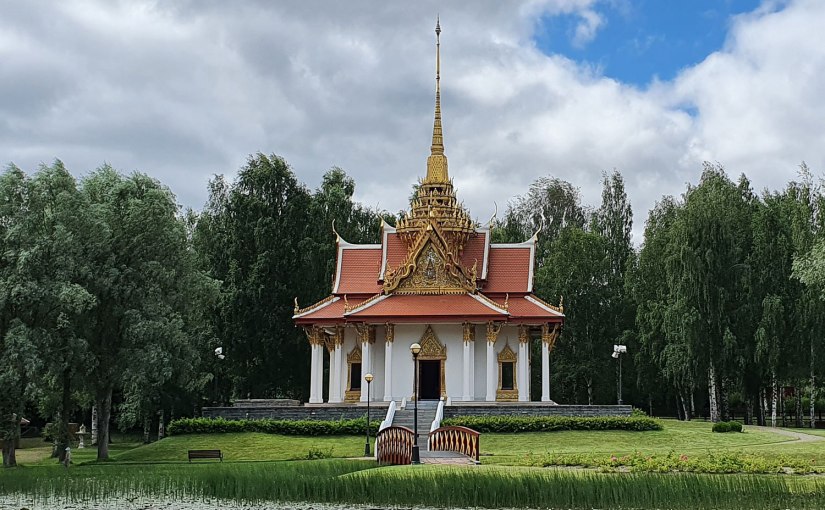
Nästa anhalt på resan till Ragunda var Thailändska paviljongen i Utanede. År 1897 kom kung Chulalongkorn till Sverige för att besöka den internationella konst- och industriutställningen i Stockholm. Kungen var intresserad av sågverksindustrin så vår Kung Oscar II tog honom med till mellersta Norrland. Sällskapet på ca 30 personer åkte båt till Härnösand, vidare längs Ångermanälven till Sollefteå, och sedan med tåg till Bispgården, varpå det blev häst och vagn till Utanede och ångbåtsbryggan i Edset för återfärd på Indalsälven. Överallt hälsades kungens följe av lokalbefolkningen, till stor glädje för de resande. Ca 50 år senare döptes vägen till Kung Chulalongkorns väg till minne av detta. En thailändsk dansgrupp besökte kommunen 1992 och fick höra talas om vägen som var uppkallad efter kungen. Föreningen Chulalongkorns Minne bildades året därpå och paviljongprojektet startade, ett samarbete mellan svenska och thailändska intressen. Hundra år efter besöket, 1997, påbörjades bygget av paviljongen. Läs mer om paviljongen här.
The next stop on the journey to Ragunda was the Thai pavilion in Utanede. In 1897, King Chulalongkorn came to Sweden to visit the international art and industrial exhibition in Stockholm. The king was interested in the sawmill industry, so our King Oscar II took him to central Norrland. The group of about 30 people went by boat to Härnösand, further along the Ångermanälven to Sollefteå, and then by train to Bispgården, then horse and carriage to Utanede and the steamboat pier in Edset for the return trip on the Indalsälven. Everywhere the king’s entourage was greeted by the local population, to the great joy of the travelers. About 50 years later, the road was named King Chulalongkorn’s road in memory of this. A Thai dance group visited the municipality in 1992 and heard about the road named after the king. Föreningen Chulalongkorns Minne (the Association in Memory of Chulalongkorn) was formed the following year and the pavilion project started, a collaboration between Swedish and Thai interests. One hundred years after the visit, in 1997, construction of the pavilion began.
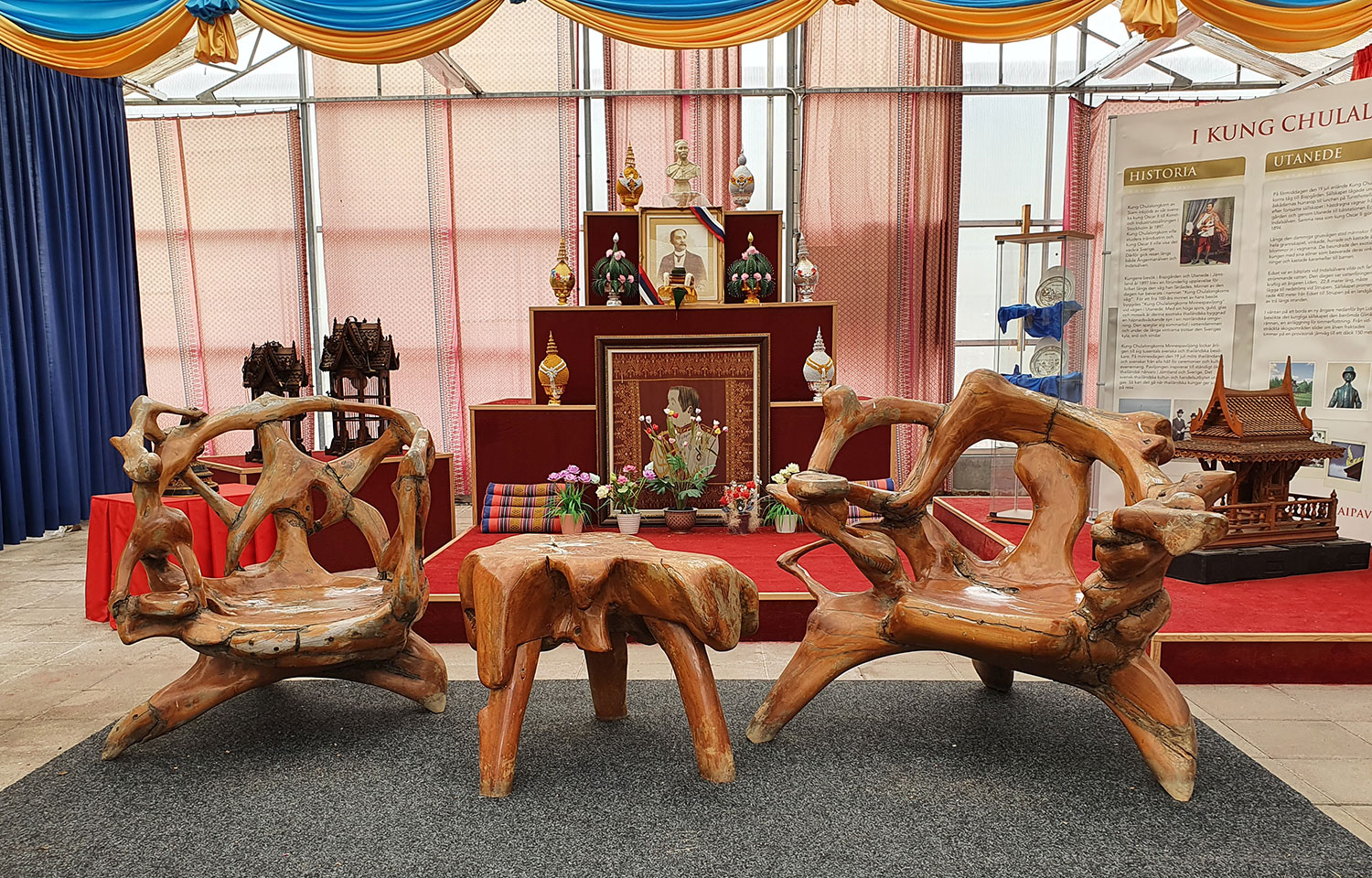
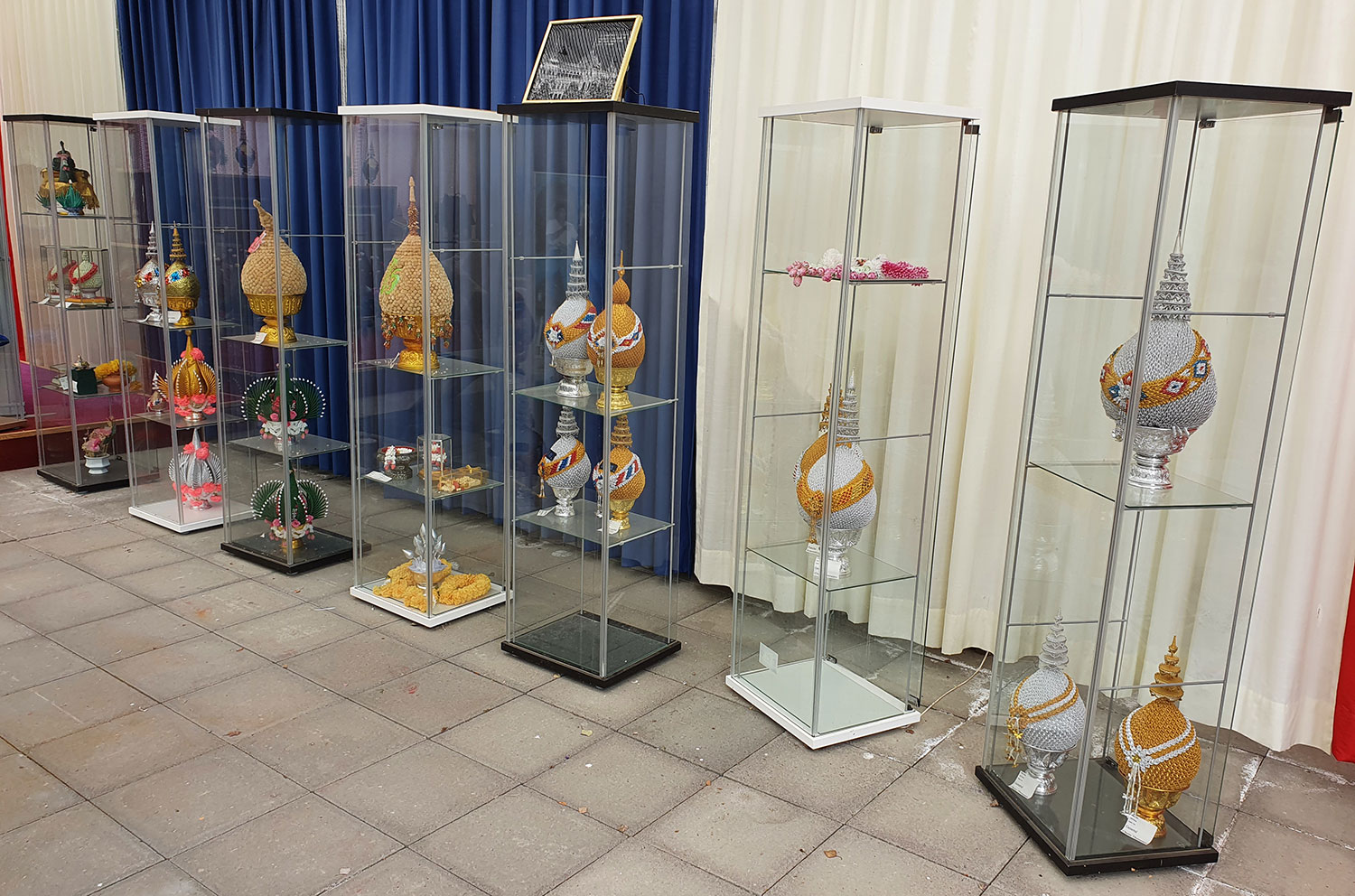
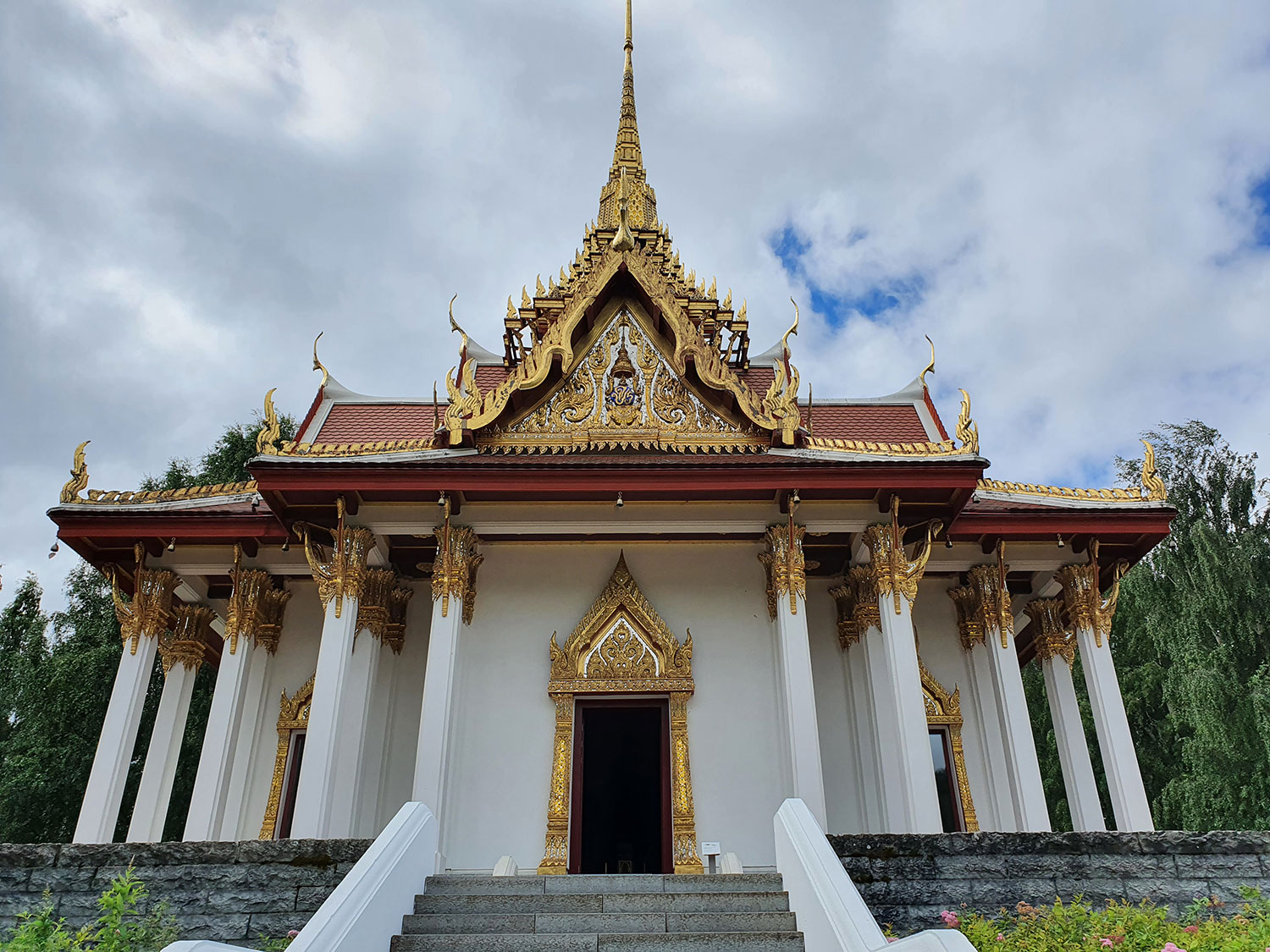
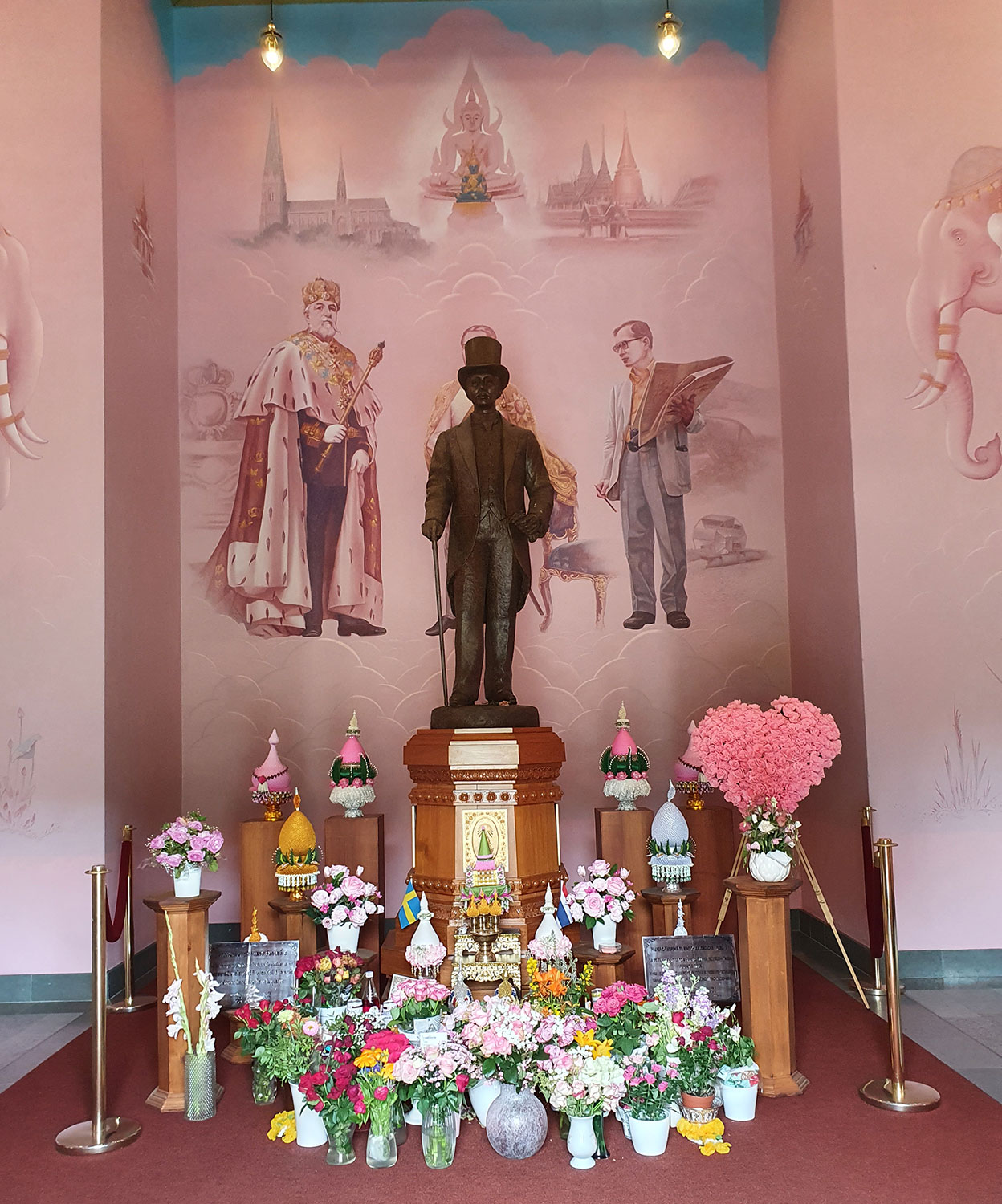
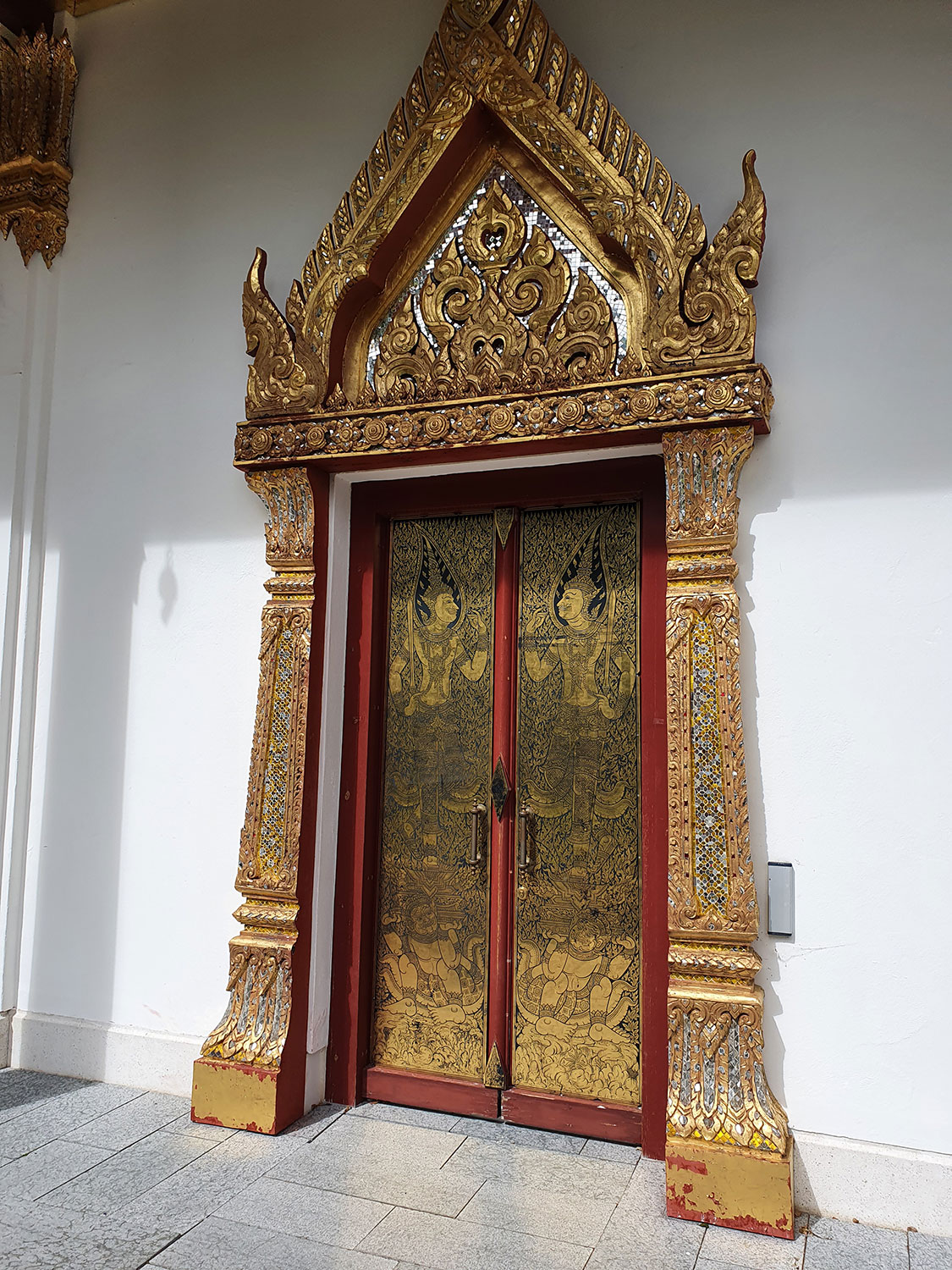
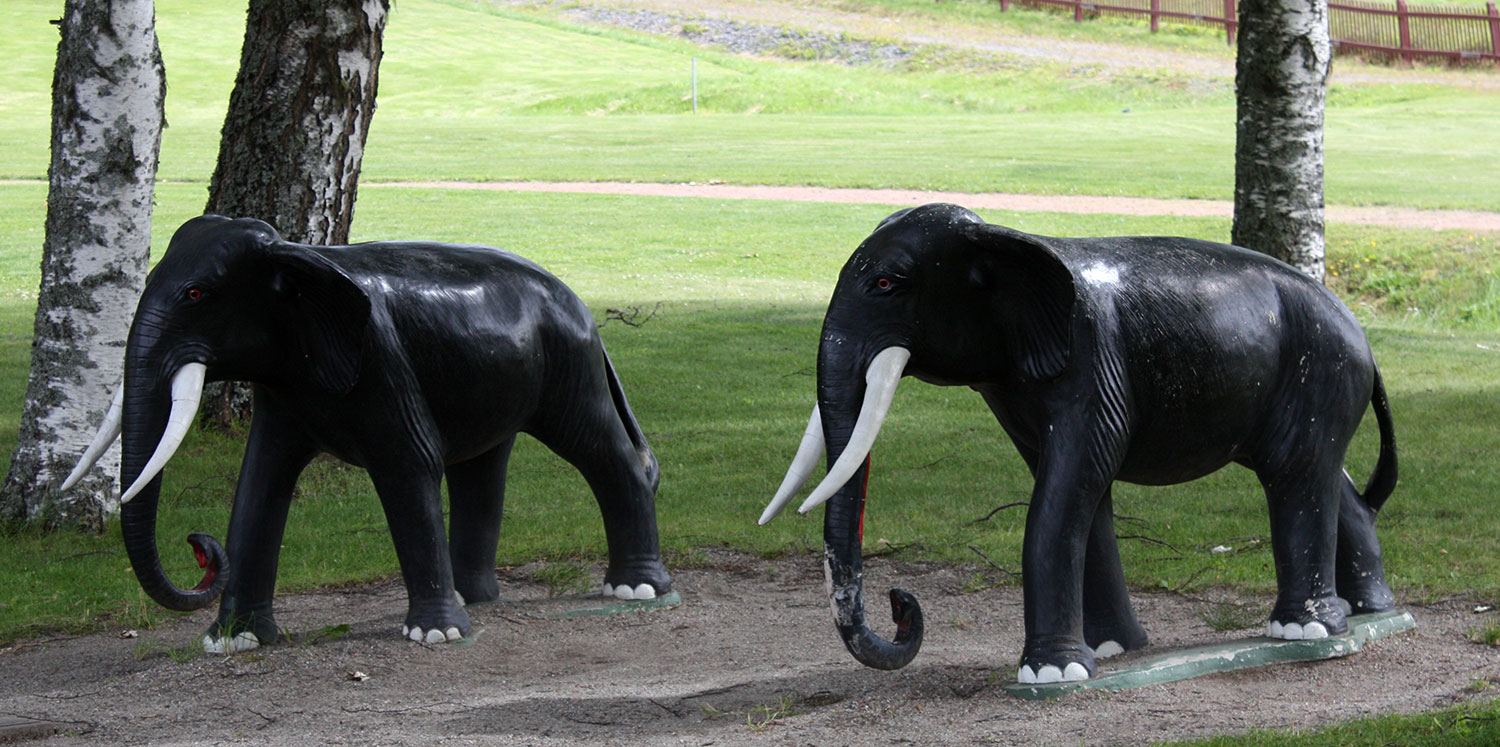
Vi började med att besöka Kulturbyggnaden. Där finns olika typer av museiföremål och berättelsen om paviljongens tillkomst. We started by visiting the Culture Building. There are different types of museum objects and the story of the creation of the pavilion.Fler föremål i kulturbyggnaden, ceremoniella huvudbonader. More objects in the cultural building, ceremonial headgear.Den pampiga entrén till paviljongen. Den thailändske kungens egna hantverkare har gjort utsmyckningarna, byggnaden i övrigt har byggts av jämtländska företag. The grand entrance to the pavilion. The Thai king’s own craftsmen have made the decorations, the rest of the building has been built by companies from Jämtland.Inne i paviljongen finns en fullstor bronsstaty av kung Rama V Chulalongkorn av Siam. Inside the pavilion is a full-sized bronze statue of King Rama V Chulalongkorn of Siam.En annan del av paviljongen, med vackra utsmyckningar på väggar och tak. Målningarna är gjorda av thailändska konstnärer. Another part of the pavilion, with beautiful decorations on the walls and ceiling. The paintings are made by Thai artists.Baksidan av paviljongen. The back of the pavilion.De vackra sidodörrarna in i paviljongen. Sidostyckena är dekorerade med mosaiker av bland annat spegelglas. The beautiful side doors into the pavilion. The side pieces are decorated with mosaics of, among other things, mirror glass.Snidade elefanter i parken utanför paviljongen. Carved elephants in the park outside the pavilion.Sedan var det dags att fara tillbaka längs Kung Chulalongkorns väg. Den har hetat så sedan sedan slutet av 1940-talet för den var den vägen kungen kom när han besökte denna plats i Utanede. Then it was time to go back along King Chulalongkorn’s road. It has been called that since the late 1940s because it was the way the king came when he visited this place in Utanede.
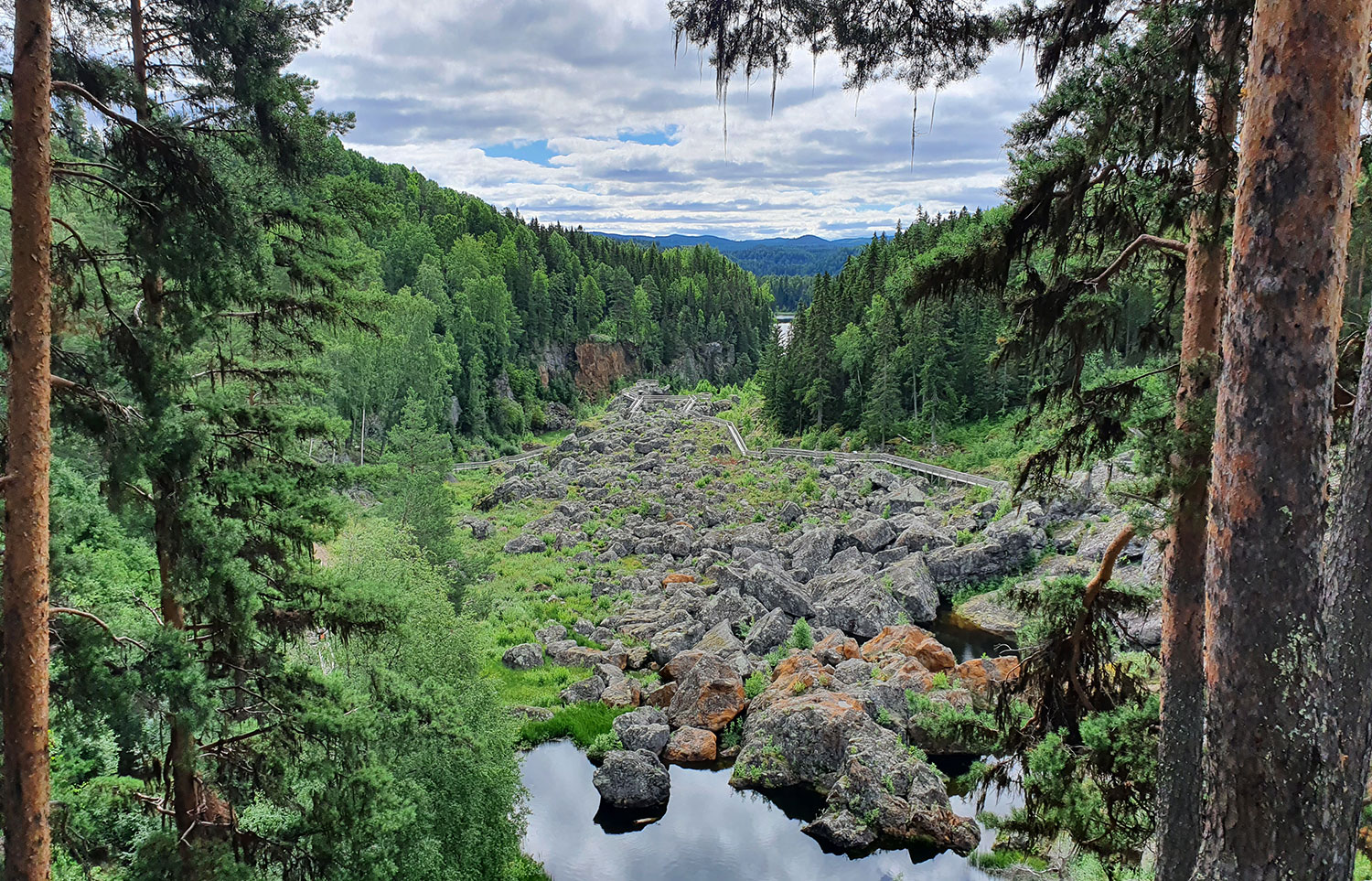
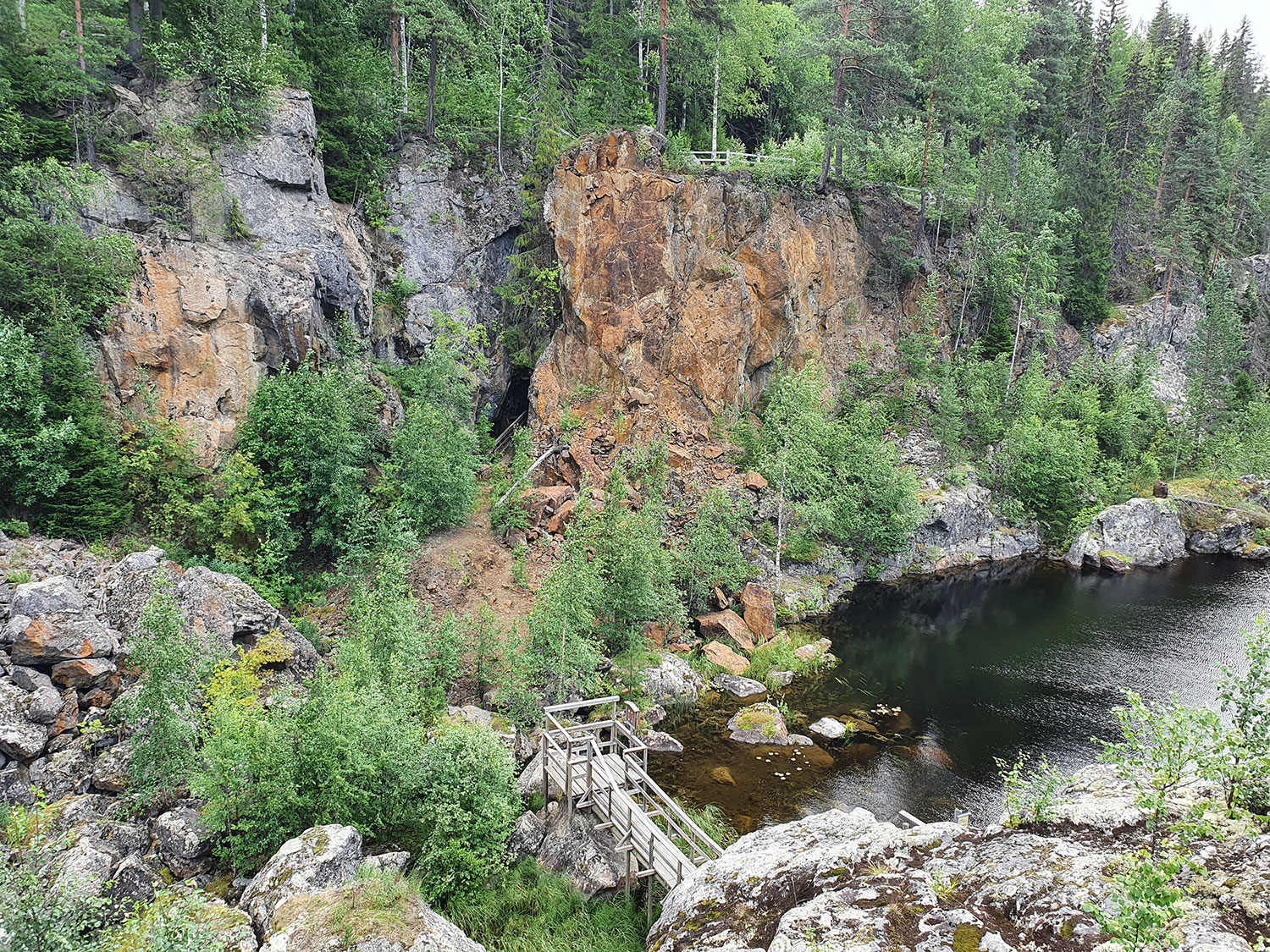
Vi gjorde en tur upp till Ragunda och det första målet var Döda fallet. Resultatet av Magnus Huss (Vildhussen) försök att år 1796 leda om vattnet för att skapa en flottningsbar led förbi Storforsen, med en fallhöjd på 35 meter, i Indalsälven. Det gick helt fel bland annat på grund av att man inte räknat med vårflodens krafter. Hela Ragundasjön tömdes i juni 1796. Älven fick ett nytt flöde vilket innebar att stora arealer översvämmades nedströms. Vi var mycket imponerade av tillgängligheten till fallet. Det går att ta sig runt hela området utan några som helst problem. Läs mer om Döda fallet här.
We made a trip up to Ragunda and the first goal was the Dead fall. The result of Magnus Huss’ (Vildhussen, the “Wild Huss”), attempt to redirect the water to create a log-driving channel past Storforsen, with its 35-metre drop, in Indalsälven. It went totally wrong among other things because one hadn’t counted on the powers of the spring flood. The whole Ragunda lake was emptied in June 1796. The river got a new flow which meant that large areas were flooded downstream. We were very impressed with the accessibility to the fall. It is possible to get around the entire area without any problems. Read more about the Dead fall here.
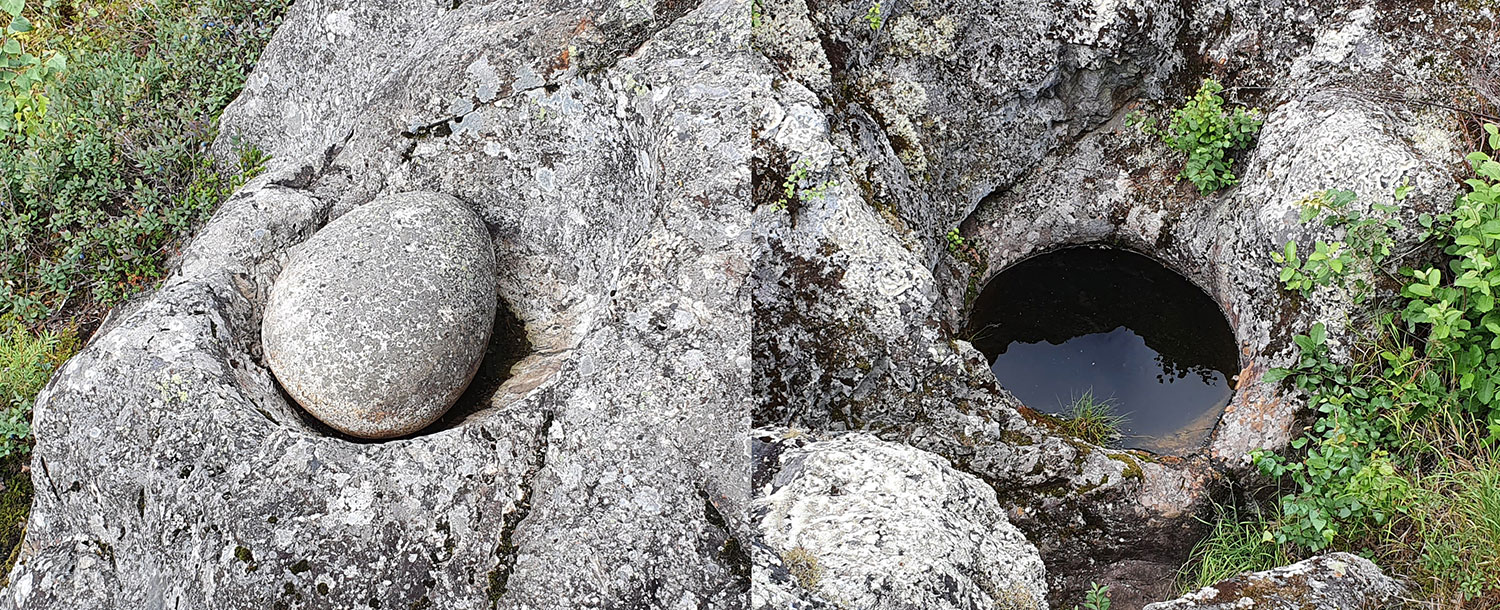
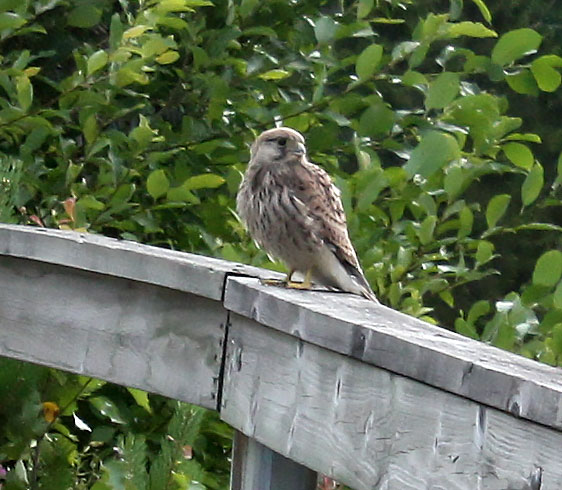
Första anblicken på vägen ner från parkeringen. First sight on the way down from the car park.Ett imponerande arbete har gjorts för att göra varje del av det döda fallet tillgängligt. An impressive amount of work has been done to make every part of the Dead fall accessible.Medan Storforsen ännu flödade skapade stenar ”jättegrytor”, de roterade och slipade runda hål i berget. While Storforsen was still flowing, stones created ”giant potholes”, they rotated and ground round holes in the rock.Ju längre ner man kommer desto mer inser man vidden av katastrofen. The further down you go, the more you realize the extent of the disaster.Rost på berget längst ner gjorde att man på 1800-talet försökte bryta järnmalm, men det var inte lönsamt. Gruvhålet finns kvar. Rust on the rock at the bottom made them try to mine iron ore in the 19th century, but it wasn’t profitable. The mine hole still exists.Den brantaste delen av fallet. The steepest part of the fall.Nu har vi gått runt hela fallområdet och kommit upp ovanför den brantaste delen. Now we have gone around the entire fall area and have come up above the steepest part.På vägen upp mot caféet där vi fick vår första mjukglass på många år stötte vi på denna lilla duvhöksungdom. On the way up to the cafe where we got our first soft serve ice cream in many years, we came across this little Norther goshawk juvenile.
Vi gjorde en utflykt för att titta på en av de historiskt intressanta platserna i närområdet: Häxberget nordväst om Kramfors.
Efter att ha blivit dömda avrättades 71 kvinnor för att vara häxor på denna plats år 1675, genom halshuggning med bredyxa. Idag finns en minnessten där, rest 1975, och platsen skyddad av kulturminneslagen.
We went on an excursion to see one of the historically interesting places in the near area: Witch Mountain northwest of Kramfors.
After having being sentenced to death, 71 women were executed, for being witches, at this place in 1675, by decapitation with a broadaxe. Today there is a memorial stone there, erected 1975, and the site is protected by the Cultural Heritage Act.
Mycket välordnad stig upp till Häxberget. Very well-organized track up to Witch Mountain.Minnesstenen. The memorial stone. “Witches’ bonfires burned here in 1675. Women died, men judged. The faith of the times affects man.”Här kan man sitta och kontemplera hur dåtidens tro kunde få så katastrofala konsekvenser. Here one can sit and contemplate how the faith of that time could have such catastrophic consequences.På vägen från Häxberget passerade vi denna ångermanländska metropol. On the way from Witch Mountain we passed this Ångermanland metropolis.
Från Örnsköldsvik tog vi vägen över Gålsjö Bruk, numera byggnadsminne. Järnbruket anlades på 1700-talet och lades ner 1872. De nuvarande ägarna planerar att ta upp verksamhet igen, korttidsboende och vanliga hyresgäster, men coronapandemin har gjort det svårt att komma igång med än så länge. Platsen är jättefin, men ser lite trött ut.
From Örnsköldsvik we took the road over Gålsjö Mill, now a building monument. The ironworks were built in the 18th century and closed down in 1872. The current owners plan to resume operations, short-term housing and regular tenants, but the corona pandemic has made it difficult to get started so far. The place is great, but looks a bit tired.
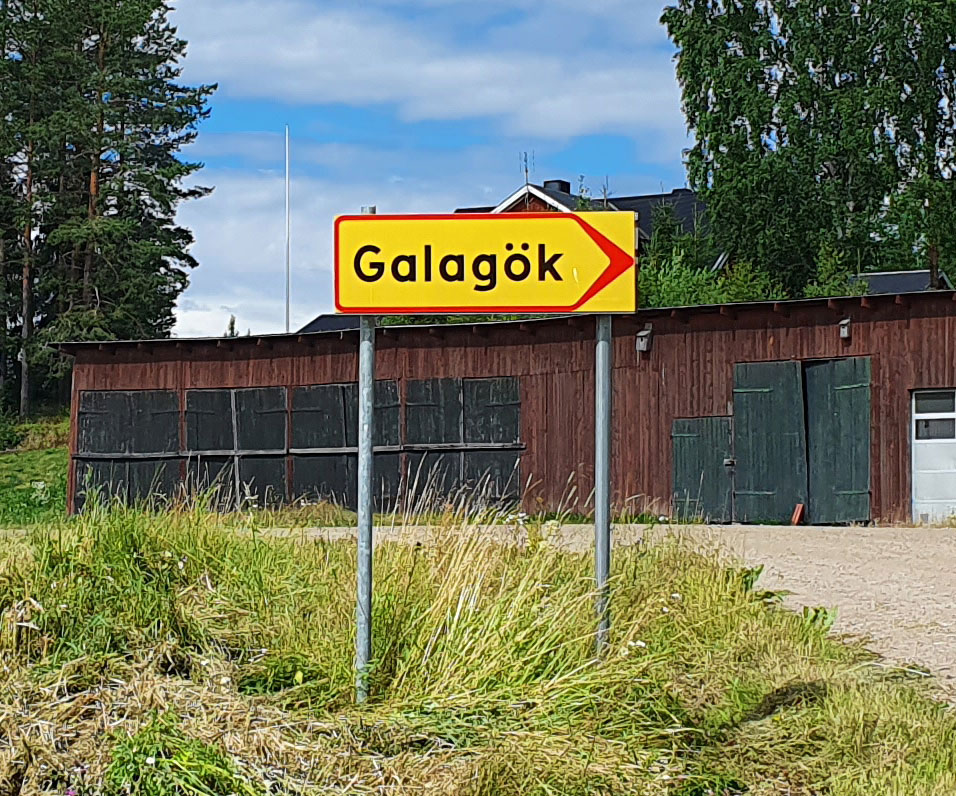
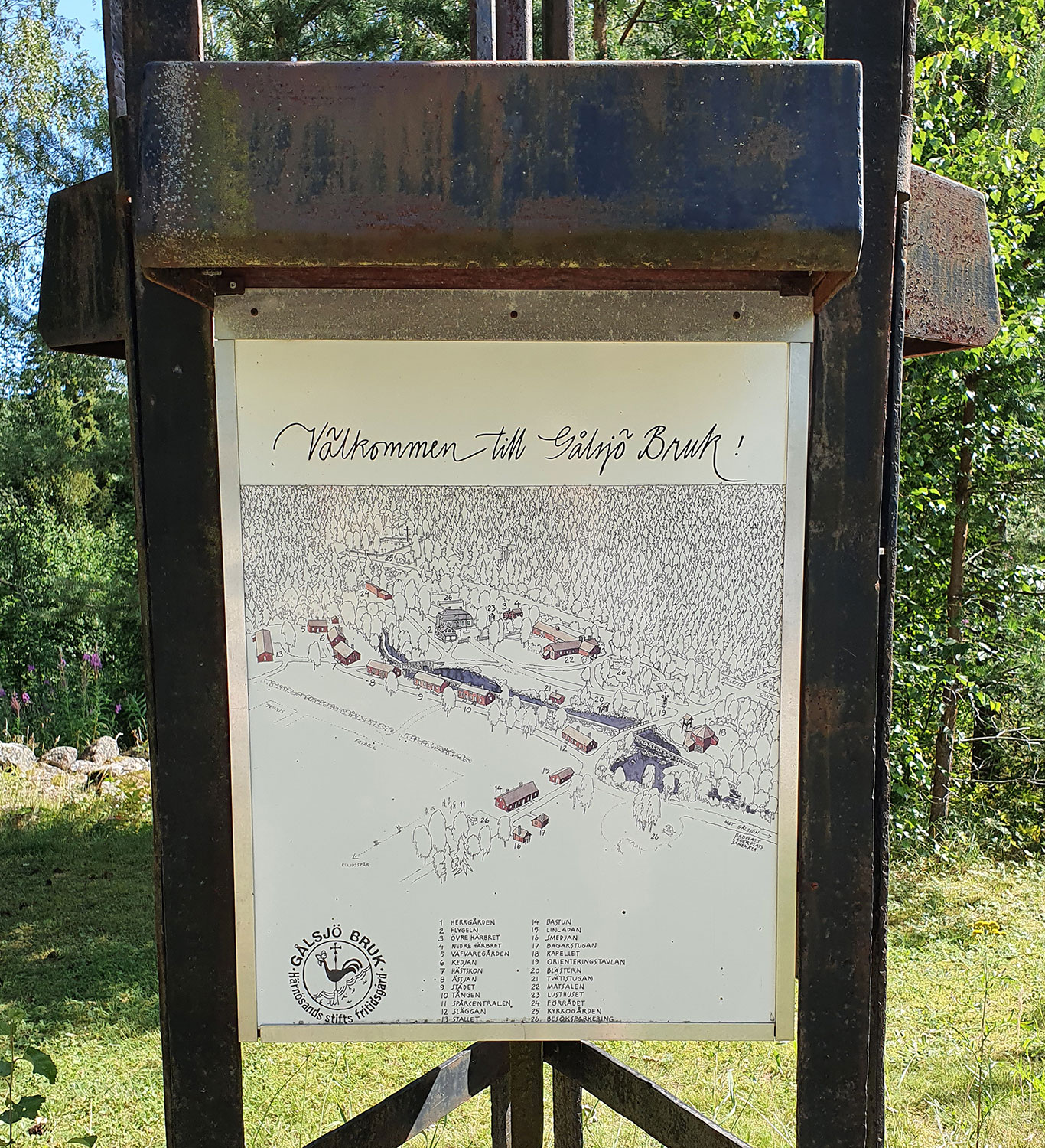
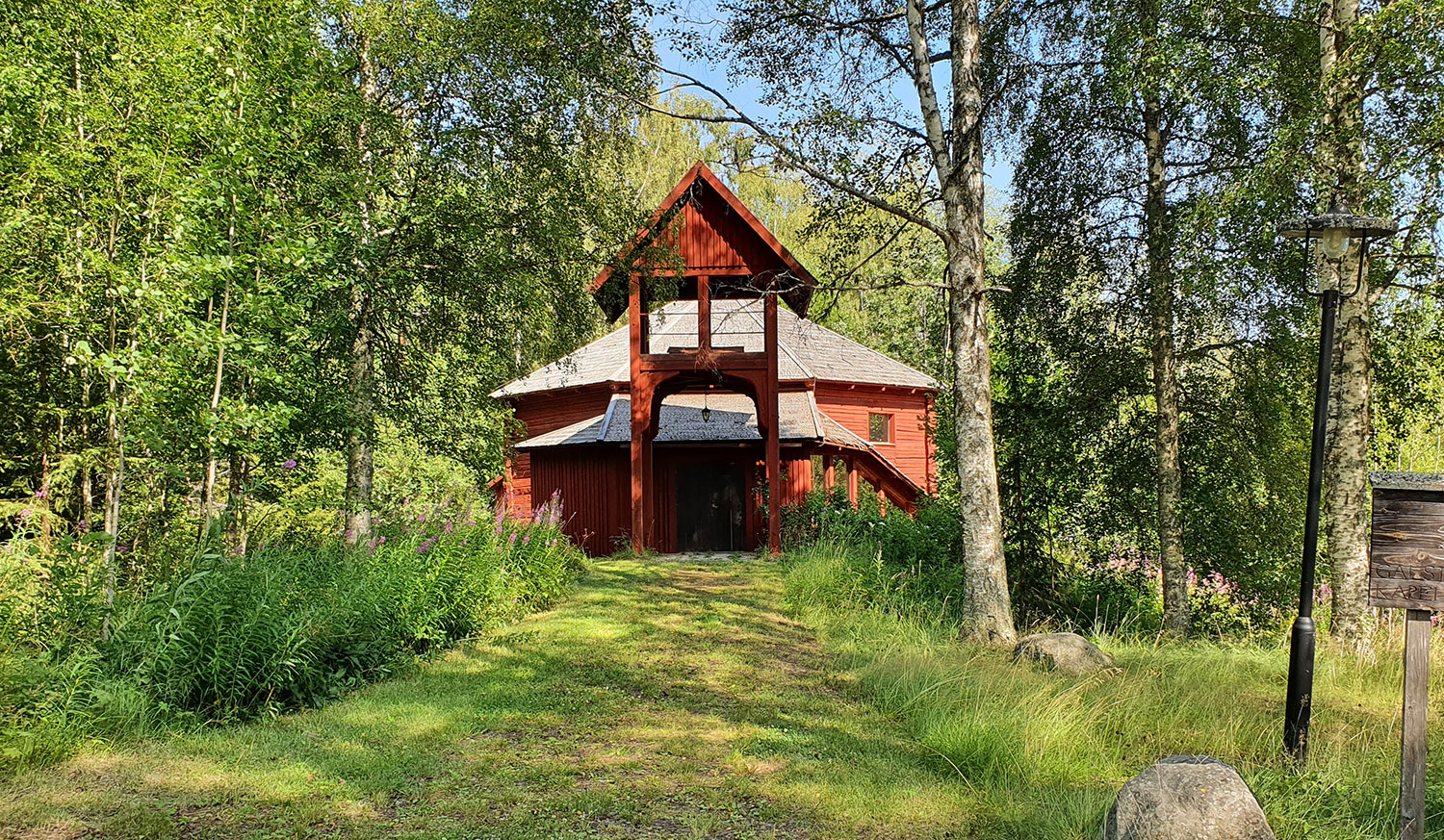
Vägledning till Bruket. Guide to the Mill.Gålsjö Bruk ligger i hjärtat av allt. Pilarna pekar mot Kramfors, Sollefteå och Örnsköldsvik. Gålsjö Mill is in the heart of everything. The arrows point to Kramfors, Sollefteå and Örnsköldsvik.Kapellet. The chapel.Tidigare arbetarbostäder, därefter asylboende. Nu är planerna att göra ”vanliga” bostäder av dem, främst för korttidsboende. Formerly workers’ housing, then asylum accommodation. Now the plans are to make ”ordinary” housing out of them, mainly for short-term housing.Bro med intressant mekanisk konstruktion. Bridge with interesting mechanical construction.
Ett av målen på resan norrut efter kusten var Gene Fornby strax söder om Örnsköldsvik. Där finns en utgrävd bosättning, bebodd ca 100-talet–500-talet e Kr. Den ligger idag ungefär 20 m ö h, men då förmodligen väldigt mycket närmare vattenlinjen. Gene Fornby är en rekonstruktion ca 500 m från själva utgrävningsplatsen. Vi gick inte till utgrävningen, men rekonstruktionen var intressant nog.
One of the destinations on the trip north along the coast was Gene Ancient Village just south of Örnsköldsvik. There is an excavated settlement, inhabited around the 100s – 500s AD. Today it is about 20 m above sea level, but then probably very much closer to the waterline. Gene Ancient Village is a reconstruction about 500 m from the actual excavation site. We did not go to the excavation, but the reconstruction was interesting enough.
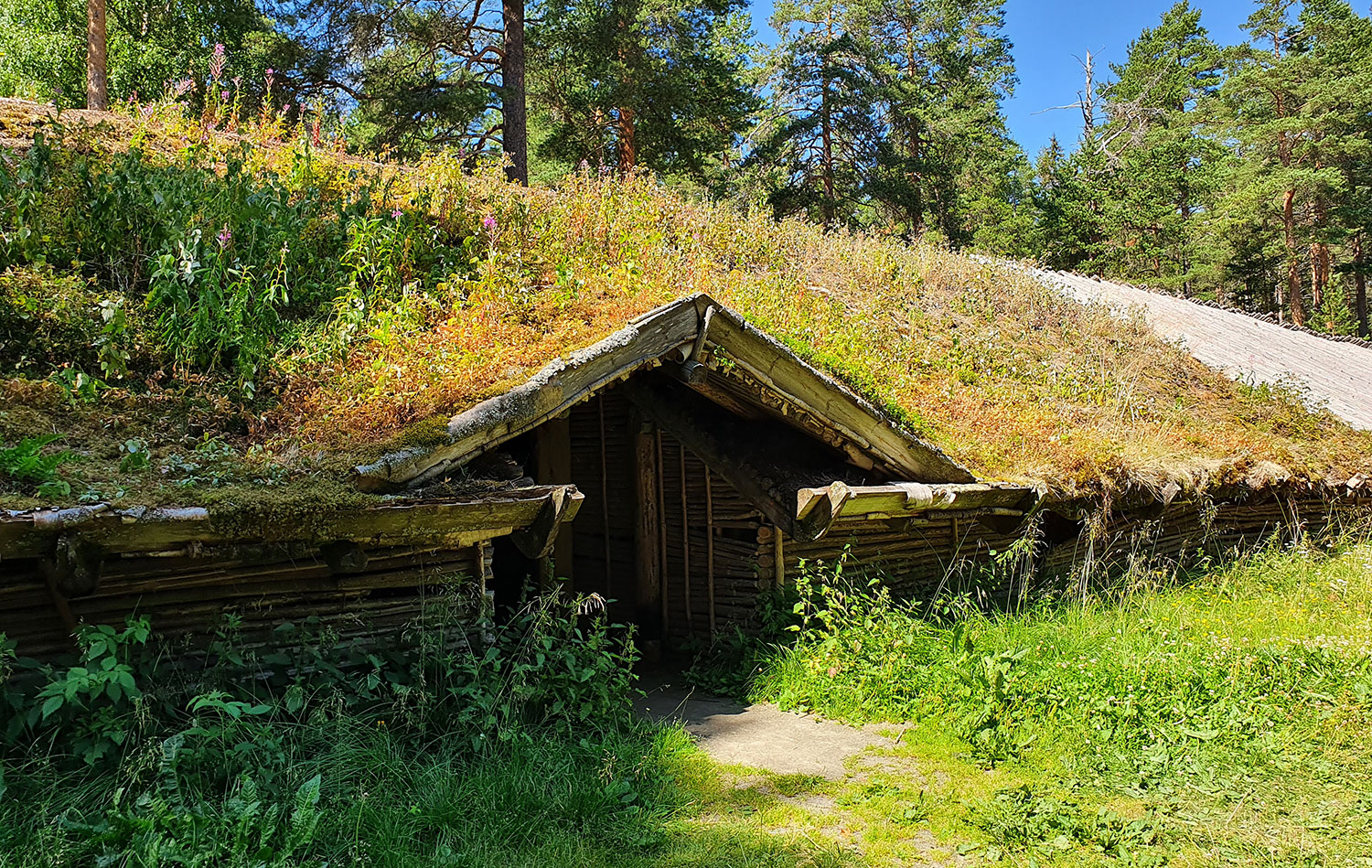
Ett av de mindre husen på platsen. One of the smaller houses on the site.En av ingångarna till det stora huset. One of the entrances to the big house.Där inne hittar vi bland annat det här. Början på en kanot? Inside, we find this, among other things. The beginning of a canoe?Fähusdelen. The cattle house part.Bostadsdelen. Vi gissar att de inte hade elektrisk belysning på den tiden. The living area. We guess they did not have electric lighting at that time.
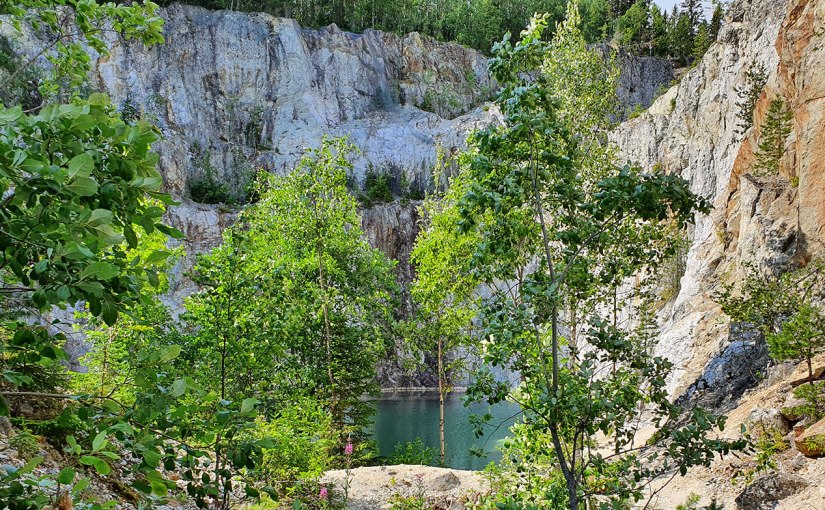
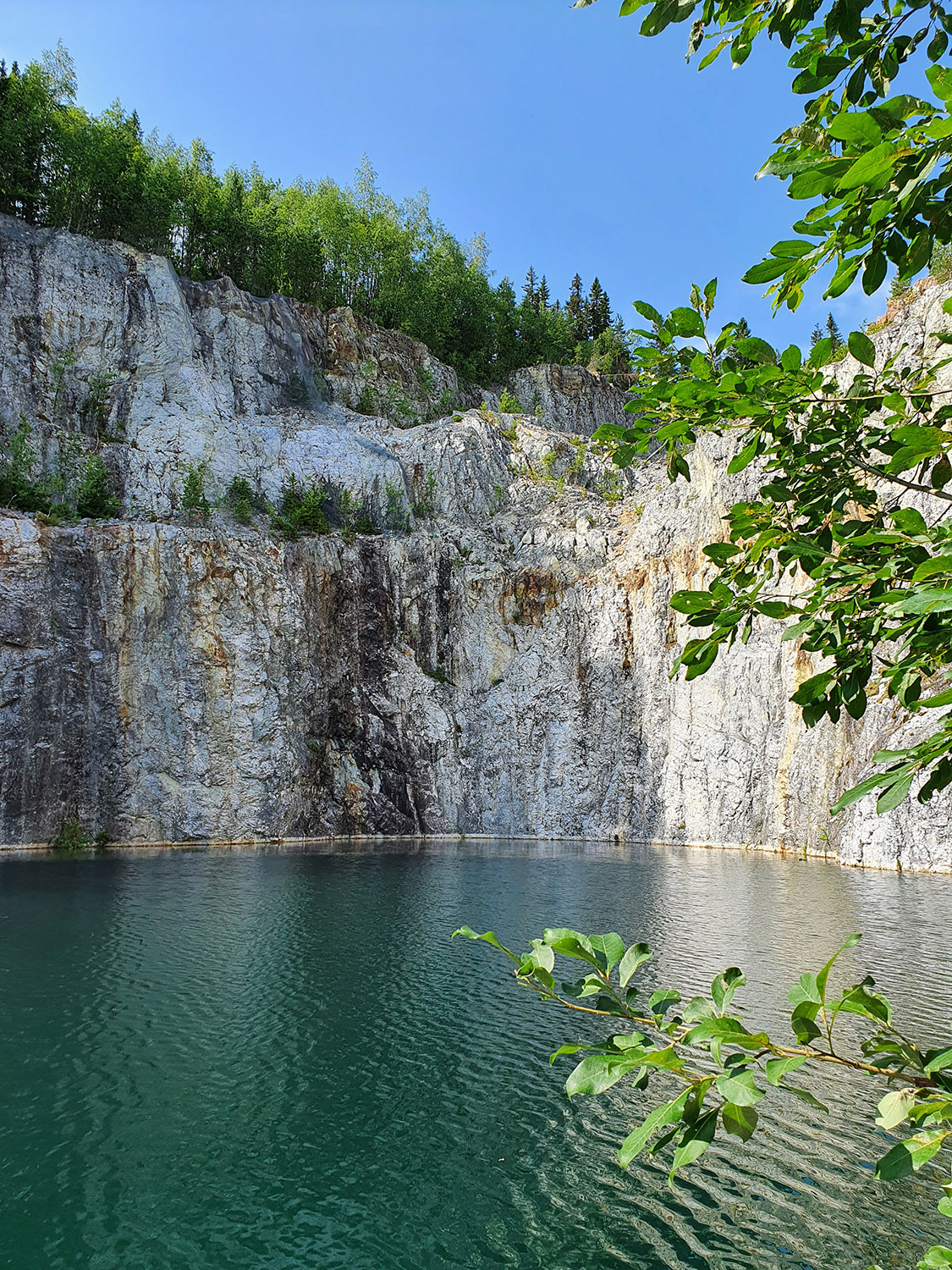
Efter Nämforsen åkte vi till Edsele gruva, med sitt turkosblåa vatten. Den är nedlagd men verkligen en sevärdhet. Här bröts kvarts mellan 1965 och 1983. Det går att bada i vattnet men det lär vara iskallt.
After Nämforsen we went to Edsele mine, with its turquoise blue water. It is closed but really an attraction. Quartz was mined here between 1965 and 1983. It is possible to swim in the water, but they say it’s icy cold.
Gruvan är fylld med turkost iskallt vatten. The mine is filled with turquoise ice-cold water.Lodräta väggar ner i gruvan. Vertical walls down into the mine.
After a long time, we received a planned visit from Västergötland, Carl-Anders and Margareta, whom we visited in 2019. They should have arrived last year already, but then came the pandemic. But since we are all vaccinated now, it was just a matter of realizing the plans. This is the second time we have been visited by a former Academy secretary at KSLA, but this time it was a little more to it. Already on the day of arrival, we took them to Borgberget in the Bollstabruk area to view Stensättersborgen from the migration period 400–800 AD.
Efter en inte alltför lång promenad nådde vi den imponerande stenmuren, med den imponerande utsikten. After a not too long walk, we reached the impressive stone wall, with the impressive view.Där uppe drack vi lite kaffe, åt några smörgåsar och pratade i den rätt karga omgivningen. Up there we drank some coffee, ate some sandwiches and talked in the rather barren surroundings.Hemma igen. Middag på altanen i solskenet. Back home. Dinner on the balcony in the sunshine.
Mitt ute i skogen det som för 8000 år sedan var en naturhamn. In the middle of the forest what was natural port 8000 years ago.
Tidigare har vi bara passerat skylten som pekar mot stenåldersbosättningen men nu var det dags att ta en titt (se inlägg 11 nov 2017).
På stenåldern var de högsta bergen i Älvsjöskogen öar i havet och här fanns då många bra naturhamnar. På just denna plats har man hittat sten som bearbetats av människor, vilket visar att det bott folk här. De försörjde sig troligen bl a genom att jaga säl. Man tror att denna boplats är ca 8000 år gammal.
In the past we have just passed the sign pointing to the stone age settlement but now it was time to take a look (see entry Nov 11, 2017)
During the stone age the highest mountains in Älvsjöskogen were islands in the sea and there were many good natural ports. In this very place, stone has been found that has been processed by people which shows that people lived here. They probably supported themselves by chasing seals. It is believed that this settlement is about 8000 years old.
























 Sigges och Ylvas vanlighetsblogg 2.0